
Why Summer Is Ideal for Chimney Repairs | Chimney Maintenance
Why Summer Is Ideal for Chimney Repairs
Complete Repairs Before Colder Weather Increases Fireplace Use
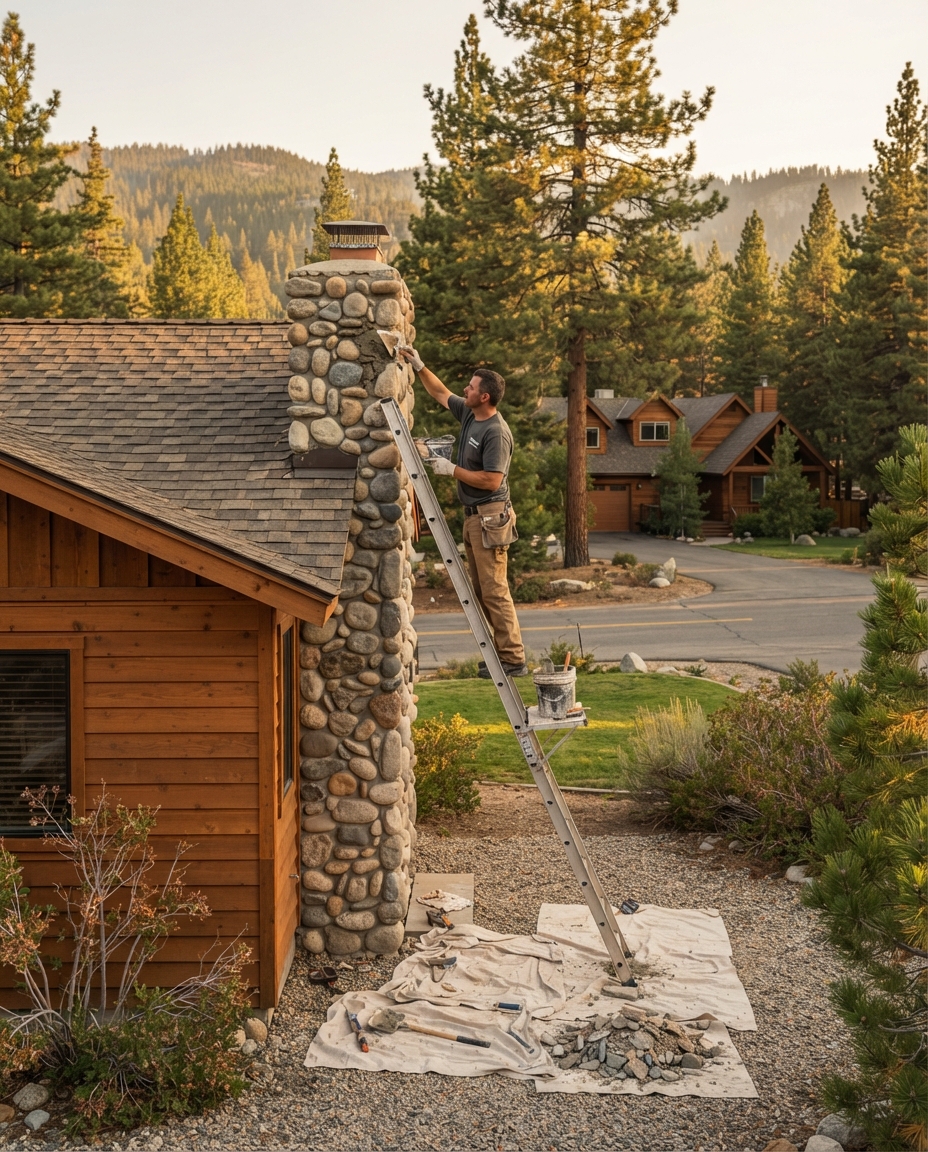
Summer may be the time when your fireplace gets the least attention, but that makes it an excellent season to think about chimney maintenance. Before colder temperatures arrive and fireplace use increases, homeowners have an opportunity to inspect their chimney, identify necessary repairs, and address problems before they become more urgent.
From damaged masonry to deteriorated mortar and chimney cap issues, taking care of repairs during the warmer months can help prepare your chimney for the upcoming burning season.
Why Summer Is a Good Time for Chimney Repairs
During colder months, homeowners often begin using their fireplaces more frequently. This can increase demand for chimney inspections, cleaning, and repair services.
Scheduling repairs during summer gives you more time to:
Identify potential problems
Arrange professional inspections
Complete necessary repairs
Address exterior masonry concerns
Prepare the chimney before fireplace use
Getting ahead of seasonal demand can make the preparation process less stressful.
Look for Exterior Masonry Damage
Your chimney is exposed to weather throughout the year. Rain, wind, temperature changes, and moisture can gradually affect exterior masonry.
Visible signs that may require professional attention include:
Cracked bricks
Missing or deteriorated mortar
Loose masonry
Discoloration
Crumbling surfaces
Visible structural changes
Even seemingly minor damage should be evaluated if it continues to worsen.
Check the Chimney Cap
The chimney cap helps keep rain, leaves, debris, and animals from entering the chimney.
A damaged or missing cap can leave the chimney more exposed to the elements and potential obstructions.
During a chimney inspection, a professional can evaluate the condition of the cap and determine whether repair or replacement is needed.
Don't Ignore Water Damage
Moisture is one of the biggest concerns for masonry chimneys. Water can enter through cracks, deteriorated mortar, damaged flashing, or problems with the chimney cap.
Potential signs of moisture-related problems include:
Water stains
Efflorescence
Deteriorating mortar
Crumbling masonry
Damp areas around the chimney
Addressing water-related concerns early can help prevent additional deterioration.
Inspect the Area Around the Roof
The connection between your chimney and roof deserves attention as well.
Damaged or deteriorated flashing can allow water to enter around the chimney. If you notice signs of moisture near the chimney or roofline, professional evaluation can help determine the source.
Because roof areas can be dangerous to access, homeowners should avoid climbing onto the roof if they don't have the appropriate equipment and experience.
Summer Repairs Can Prevent Winter Delays
Once cold weather arrives, chimney professionals may have a much busier schedule.
Waiting until the first cold weekend to discover a damaged chimney could mean waiting for an inspection or repair before you can safely use the fireplace.
Scheduling maintenance during summer allows more time to address unexpected issues.
Prepare for Increased Fireplace Use
A fireplace that hasn't been used for months should be evaluated before regular burning resumes.
Depending on its condition and use, your chimney may need:
Professional inspection
Chimney sweeping
Masonry repairs
Chimney cap repairs
Flashing evaluation
Other maintenance
A professional can recommend the appropriate service based on the condition of your chimney.
Chimney Repairs Go Beyond Appearance
Some chimney damage may look cosmetic at first, but deterioration can affect the structure and performance of the chimney over time.
Regular chimney maintenance allows homeowners to monitor changes and address concerns before they potentially become more extensive.
Professional inspections can help identify problems that aren't always obvious from ground level.
Summer Is Also a Good Time for Chimney Cleaning
Repairs and cleaning often work well together as part of seasonal chimney preparation.
A chimney sweep can remove accumulated soot and creosote while helping identify conditions that may require additional attention.
Cleaning frequency depends on factors such as fireplace usage, fuel type, and the condition of the chimney.
Create a Pre-Season Chimney Checklist
Before the first fire of the season, consider checking whether:
The chimney has been professionally inspected.
The flue has been cleaned when needed.
The chimney cap is intact.
Exterior masonry appears to be in good condition.
Flashing shows no obvious signs of damage.
There are no signs of animal activity or obstructions.
Any previously identified repairs have been completed.
Taking care of these tasks early can help you approach fireplace season with greater confidence.
Don't Wait for a Problem to Become Urgent
One of the biggest benefits of summer chimney maintenance is the opportunity to be proactive.
If you've noticed cracks, water stains, unusual odors, damaged masonry, or other concerns, don't wait until you're ready to light your first fire.
A professional chimney inspection can help determine what needs attention and whether repairs should be completed before fireplace use resumes.
Final Thoughts
Summer is an ideal time to get ahead of chimney repairs because fireplace use is typically lower and homeowners have an opportunity to prepare before colder weather arrives. Addressing masonry deterioration, chimney cap damage, flashing concerns, and other issues early can help prevent last-minute problems when you want to use your fireplace.
A professional chimney inspection and appropriate repairs can help keep your chimney maintained and ready for the upcoming season.
Don't wait for the first cold night to discover a chimney problem. Use summer to inspect, repair, and prepare.