
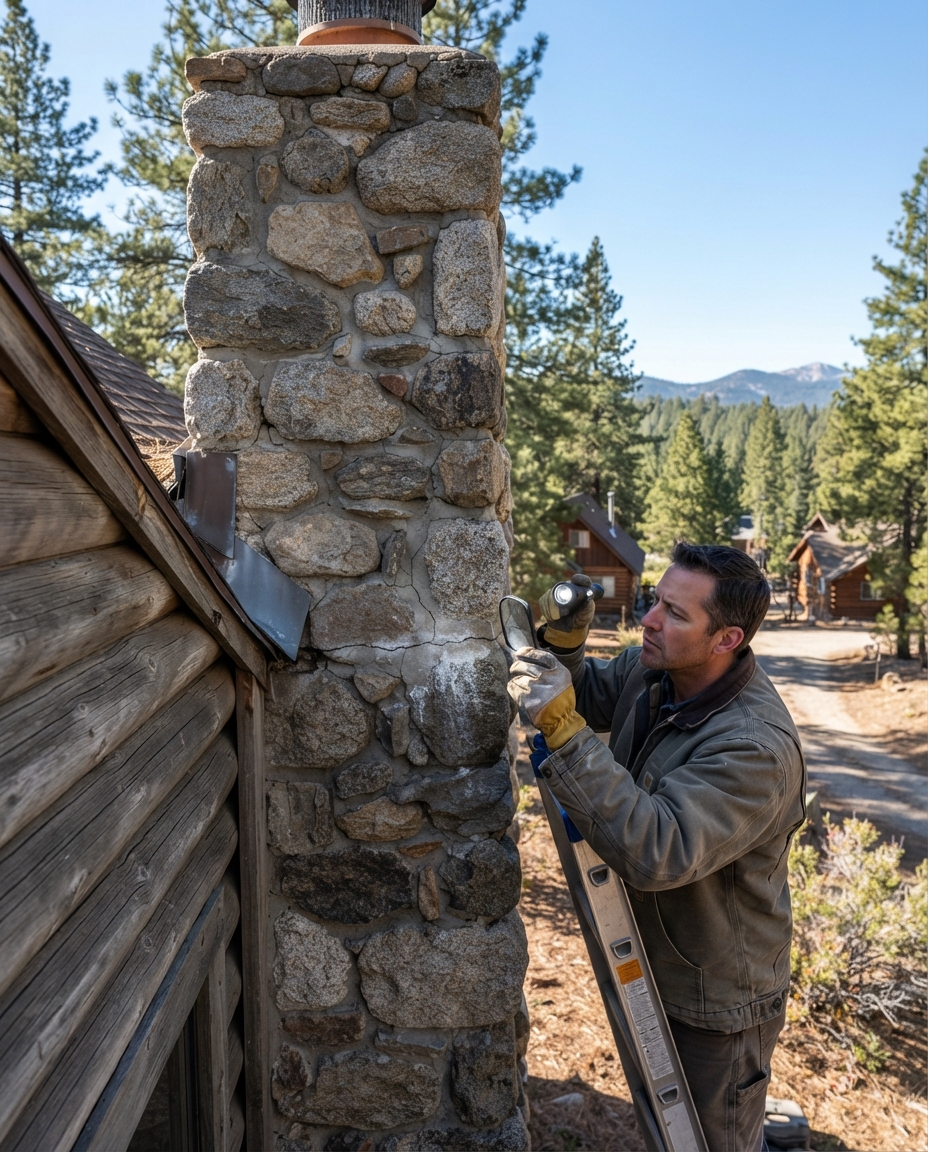
Why Exterior Chimney Maintenance Matters | Chimney Inspection
Why Exterior Chimney Maintenance Matters Too
Masonry and Chimney Structures Benefit From Regular Visual Inspections
When homeowners think about chimney maintenance, they often focus on the inside of the flue. However, the exterior of your chimney is exposed to rain, wind, heat, temperature changes, and other environmental conditions throughout the year.
Over time, these elements can affect bricks, mortar, flashing, chimney caps, and other components. Routine exterior chimney maintenance and professional inspections can help identify visible problems before they become more difficult and expensive to address.
Why the Exterior of Your Chimney Matters
Your chimney's exterior is an important part of the overall structure. It protects the flue while extending above the roofline, where it is constantly exposed to changing weather conditions.
Regular visual inspections can help identify signs of:
Cracked masonry
Deteriorating mortar
Damaged chimney caps
Rust or corrosion
Water intrusion
Damaged flashing
Loose or deteriorated components
Finding these issues early can make maintenance easier to plan.
Watch for Cracked Bricks and Mortar
Masonry chimneys can develop cracks as they age. Repeated exposure to moisture and temperature changes can contribute to deterioration.
Look for:
Cracks in individual bricks
Missing mortar
Crumbling joints
Loose masonry
Discoloration
Even small visible changes deserve attention if they continue to worsen.
Moisture Can Cause Long-Term Damage
Water is one of the most common threats to exterior masonry.
Rain and moisture can enter through damaged areas and contribute to deterioration over time. In colder climates, repeated freezing and thawing can further affect masonry materials.
Signs of potential moisture concerns may include:
Water stains
Discolored masonry
Efflorescence
Crumbling mortar
Damp areas around the chimney
A professional inspection can help determine whether visible moisture-related damage needs attention.
Don't Overlook the Chimney Cap
The chimney cap is an important protective component. It helps keep rain, leaves, debris, and animals from entering the chimney.
A damaged or missing cap can leave the chimney more vulnerable to environmental exposure and unwanted debris.
During routine maintenance, check for:
Rust
Cracks
Loose sections
Damaged screens
Missing components
Replacing or repairing a damaged cap may help provide better protection for the chimney.
Check the Flashing Around the Roof
The area where the chimney meets the roof is another important place to monitor.
Flashing helps prevent water from entering around the chimney and roof intersection. If flashing becomes damaged or deteriorated, moisture may find its way into the structure.
Visible signs of a possible issue can include water stains inside the home or deterioration around the chimney base.
Roof and chimney components should be evaluated by appropriately qualified professionals when problems are suspected.
Look for Signs of Animal Activity
Exterior chimney problems aren't limited to masonry and water.
Birds and other animals may enter through openings or damaged chimney caps. Nests and debris inside the chimney can potentially interfere with ventilation.
Unusual sounds, odors, or debris around the fireplace may warrant a professional chimney inspection.
Regular Maintenance Helps Protect Your Investment
A chimney is exposed to the elements year after year. Waiting until visible damage becomes severe can make repairs more complicated.
Routine chimney maintenance provides an opportunity to monitor changes and address smaller concerns before they potentially develop into larger problems.
Maintenance can help homeowners:
Stay ahead of deterioration
Identify moisture concerns
Monitor masonry condition
Check chimney protection components
Maintain the overall structure
Include the Exterior in Your Annual Inspection
A complete chimney maintenance routine shouldn't focus exclusively on the inside of the chimney.
Depending on the home's chimney system and condition, a professional inspection may evaluate both accessible interior and exterior components.
This broader approach helps provide a better understanding of the chimney's overall condition.
Late Summer Is a Good Time to Look Ahead
Late summer and early fall provide a convenient opportunity to check the chimney before fireplace use increases.
Scheduling an inspection ahead of burning season gives homeowners time to address potential maintenance needs without waiting until colder weather arrives.
It can also help avoid the seasonal rush for chimney services.
Don't Ignore Visible Changes
Homeowners don't need to be chimney experts to notice that something looks different.
If you see:
New cracks
Loose bricks
Missing mortar
A damaged chimney cap
Water stains
Leaning or visibly altered masonry
consider having the chimney evaluated by a qualified professional.
Avoid climbing onto the roof or attempting repairs yourself if doing so would create a fall or other safety risk.
Final Thoughts
A chimney's exterior deserves just as much attention as the components inside the flue. Bricks, mortar, flashing, chimney caps, and other exterior elements are exposed to weather year-round and can gradually deteriorate.
Routine chimney inspections and exterior maintenance can help homeowners identify visible concerns early, protect the structure from unnecessary damage, and prepare the fireplace for the upcoming season.
Don't wait until a chimney problem becomes obvious inside your home. Regular visual inspections can help keep your entire chimney system in better condition from the roofline down.