
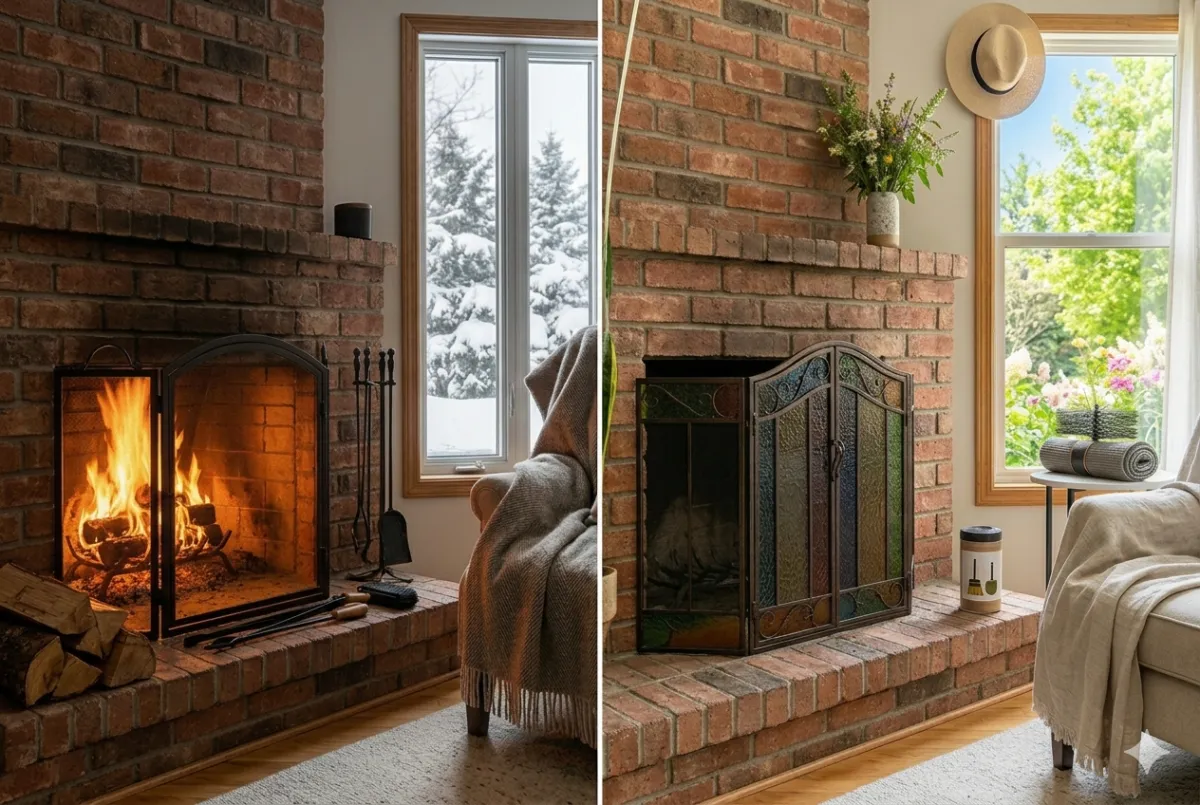
Transitioning from Fireplace Use to Warm Weather: Chimney Shutdown Tips
Transitioning from Fireplace Use to Warm Weather: Chimney Shutdown Tips
As the colder months come to an end, homeowners begin preparing their homes for warmer weather. While fireplaces provide warmth and comfort during winter, leaving your chimney and fireplace unattended during the off-season can lead to costly damage, unpleasant odors, and safety hazards. Properly shutting down your chimney system for spring and summer helps maintain efficiency, prevent moisture problems, and extend the life of your fireplace.
In this guide, we’ll walk you through essential chimney shutdown tips to help you transition smoothly from fireplace season to warm weather.
Why Seasonal Chimney Maintenance Matters
After months of regular fireplace use, soot, ash, and creosote can build up inside your chimney system. Combined with rising temperatures and humidity, these residues can create strong odors and contribute to moisture-related damage if left untreated.
A proper chimney shutdown helps:
Prevent moisture buildup and mold growth
Reduce unpleasant smoky odors
Keep pests and debris out
Protect chimney components from deterioration
Improve fireplace safety for the next heating season
Taking a few preventive steps now can save homeowners from expensive chimney repairs later.
Step 1: Schedule a Professional Chimney Inspection
Before officially shutting down your fireplace for the season, schedule a professional chimney inspection and cleaning. A certified chimney technician can identify hidden damage caused by winter use, including:
Creosote buildup
Cracked flue liners
Damaged chimney caps
Masonry deterioration
Water leaks or moisture intrusion
Annual chimney inspections are highly recommended to ensure your fireplace system remains safe and efficient year-round.
Step 2: Clean Out Ash and Debris
Leaving ash inside the fireplace during humid weather can create strong odors and accelerate corrosion in metal components. Remove all leftover ash, wood fragments, and debris from the firebox once the fireplace has completely cooled.
Here are a few cleaning tips:
Use a fireplace shovel and ash vacuum
Dispose of ashes in a metal container
Wipe down fireplace surfaces
Clean fireplace doors and screens
A clean fireplace helps reduce off-season smells and keeps your living space fresher.
Step 3: Install or Inspect the Chimney Cap
A chimney cap is one of the most important protective components for your chimney system. It helps block rainwater, leaves, animals, and debris from entering the flue during the off-season.
Inspect your chimney cap for:
Rust or corrosion
Loose fittings
Missing mesh screens
Physical damage
If your chimney does not currently have a cap installed, spring is the perfect time to add one.
Step 4: Close the Damper Properly
Closing the fireplace damper helps prevent warm outdoor air and humidity from entering your home through the chimney. It can also improve indoor energy efficiency by keeping cooled air inside during summer months.
However, if your chimney has moisture issues, some professionals recommend leaving the damper slightly open to improve airflow and reduce condensation. Consult a chimney expert if you are unsure which option is best for your system.
Step 5: Check for Moisture Problems
Warm weather and humidity can cause major issues for chimneys, especially masonry systems. Inspect your fireplace and chimney for signs of moisture damage, including:
Musty odors
White staining (efflorescence)
Cracked bricks or mortar
Rusted fireplace components
Water stains near the chimney
Addressing moisture problems early can help prevent structural damage and costly repairs.
Step 6: Keep Pests Out During Summer
Birds, squirrels, raccoons, and insects often seek shelter inside chimneys during warmer months. Without proper protection, animals can build nests that block airflow and create fire hazards.
To keep pests out:
Ensure the chimney cap screen is intact
Seal visible exterior gaps
Trim nearby tree branches
Schedule seasonal inspections
Preventing animal intrusion now can avoid dangerous chimney blockages later.
Step 7: Consider Waterproofing Your Chimney
Professional chimney waterproofing can help protect masonry from rain and humidity during the off-season. Chimney-specific waterproof sealants allow bricks to breathe while preventing water penetration.
Benefits of chimney waterproofing include:
Reduced cracking and spalling
Improved chimney lifespan
Better resistance to mold and mildew
Protection against freeze-thaw damage
This is especially important for older masonry chimneys exposed to frequent weather changes.
Common Mistakes to Avoid During Chimney Shutdown
Many homeowners unintentionally create chimney problems during the transition to warmer weather. Avoid these common mistakes:
Leaving ashes inside all summer
Ignoring minor water leaks
Skipping annual chimney inspections
Using makeshift chimney covers
Forgetting to check the chimney cap
Proper maintenance helps keep your fireplace ready for safe use when colder weather returns.
Final Thoughts
Transitioning from fireplace use to warm weather involves more than simply stopping fires for the season. Proper chimney shutdown and seasonal maintenance help protect your home from moisture damage, odors, pests, and expensive repairs.
By cleaning your fireplace, inspecting chimney components, and addressing maintenance needs early, you can extend the life of your chimney system and ensure it is ready for the next winter season.
Whether you handle basic maintenance yourself or work with a professional chimney service, taking proactive steps now can make a major difference in your home’s safety and comfort.