
The Role of Chimney Caps in Preventing Long-Term Damage
The Role of Chimney Caps in Preventing Long-Term Damage
When homeowners think about chimney maintenance, they often focus on cleaning and inspections. However, one small component plays a major role in protecting the entire chimney system: the chimney cap. Though it may seem like a minor addition, a properly installed chimney cap can help prevent costly repairs and extend the life of your chimney.
What Is a Chimney Cap?
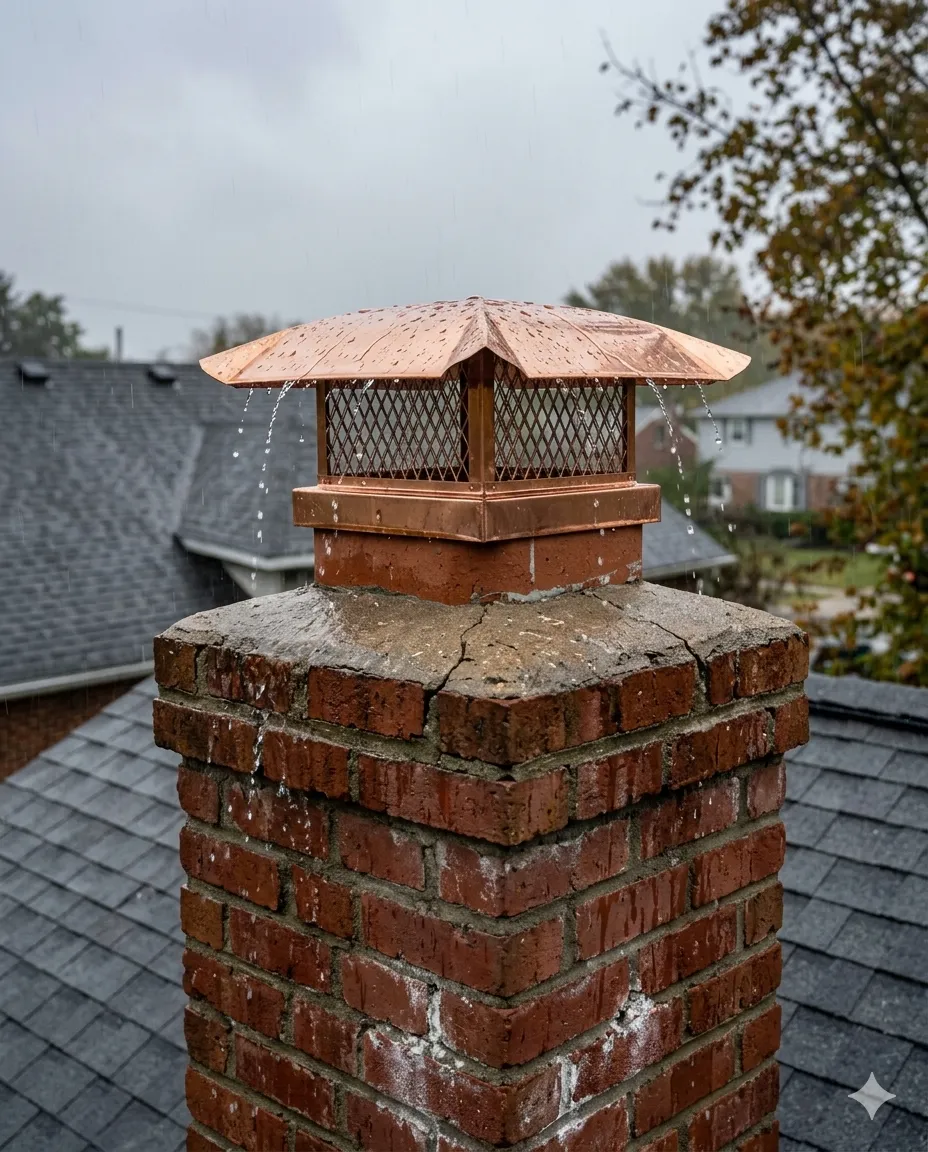
A chimney cap is a protective covering installed at the top of the chimney flue. Typically made from stainless steel, copper, or galvanized metal, chimney caps are designed to keep unwanted elements out while allowing smoke and gases to safely exit the chimney.
Despite its simple design, a chimney cap serves as one of the chimney's first lines of defense against damage.
How Chimney Caps Protect Your Home
1. Prevent Rainwater Intrusion
Water is one of the biggest threats to chimney systems. Without a chimney cap, rain can enter directly through the flue and cause damage over time.
Potential issues include:
Cracked masonry
Deteriorating mortar joints
Rusted dampers
Damaged fireplace components
Interior water stains
Keeping moisture out helps preserve both the chimney structure and surrounding areas of the home.
2. Keep Animals Out
Open chimneys often attract birds, squirrels, raccoons, and other wildlife seeking shelter.
Animals can create problems such as:
Blocked flues
Nesting materials that increase fire risk
Unpleasant odors
Damage to chimney liners
A chimney cap with mesh screening helps prevent unwanted visitors from entering.
3. Reduce Debris Buildup
Leaves, twigs, and other outdoor debris can easily enter an uncapped chimney.
Accumulated debris may:
Restrict airflow
Increase smoke backup
Create fire hazards
Reduce chimney efficiency
A chimney cap helps keep the flue clear and functioning properly.
4. Improve Chimney Longevity
Moisture, debris, and animal activity can accelerate wear and tear on chimney components. By minimizing exposure to these elements, chimney caps help extend the lifespan of:
Chimney liners
Masonry structures
Fireplace dampers
Flashing systems
Preventive protection often costs far less than major repairs.
5. Help Prevent Downdrafts
Certain chimney caps are designed to reduce downdrafts caused by strong winds.
Benefits may include:
Improved fireplace performance
Better smoke ventilation
Reduced cold air entering the home
Enhanced comfort indoors
This added protection can improve overall chimney efficiency.
Signs Your Chimney Cap Needs Attention
Homeowners should periodically inspect for signs of damage, including:
Rust or corrosion
Missing sections
Loose fasteners
Bent mesh screens
Visible animal activity
Water entering the fireplace
Addressing small issues early can help avoid more expensive repairs later.
The Cost of Ignoring a Missing Chimney Cap
Without proper protection, moisture and debris can slowly damage your chimney system. What starts as a minor issue may eventually lead to:
Masonry restoration
Chimney liner replacement
Water damage repairs
Structural deterioration
Increased maintenance costs
Investing in a quality chimney cap is often one of the most affordable ways to protect your chimney from long-term damage.
Benefits of Installing a Chimney Cap
✅ Helps prevent water damage
✅ Keeps animals and birds out
✅ Blocks leaves and debris
✅ Improves chimney performance
✅ Extends chimney lifespan
✅ Reduces future repair costs
Final Thoughts
A chimney cap may be a small component, but it plays a critical role in protecting your home. By preventing water intrusion, keeping out pests, and reducing debris buildup, chimney caps help homeowners avoid costly repairs and maintain a safer, more efficient chimney system.
Routine inspections and proper chimney maintenance can ensure this simple protective feature continues to safeguard your home for years to come.