
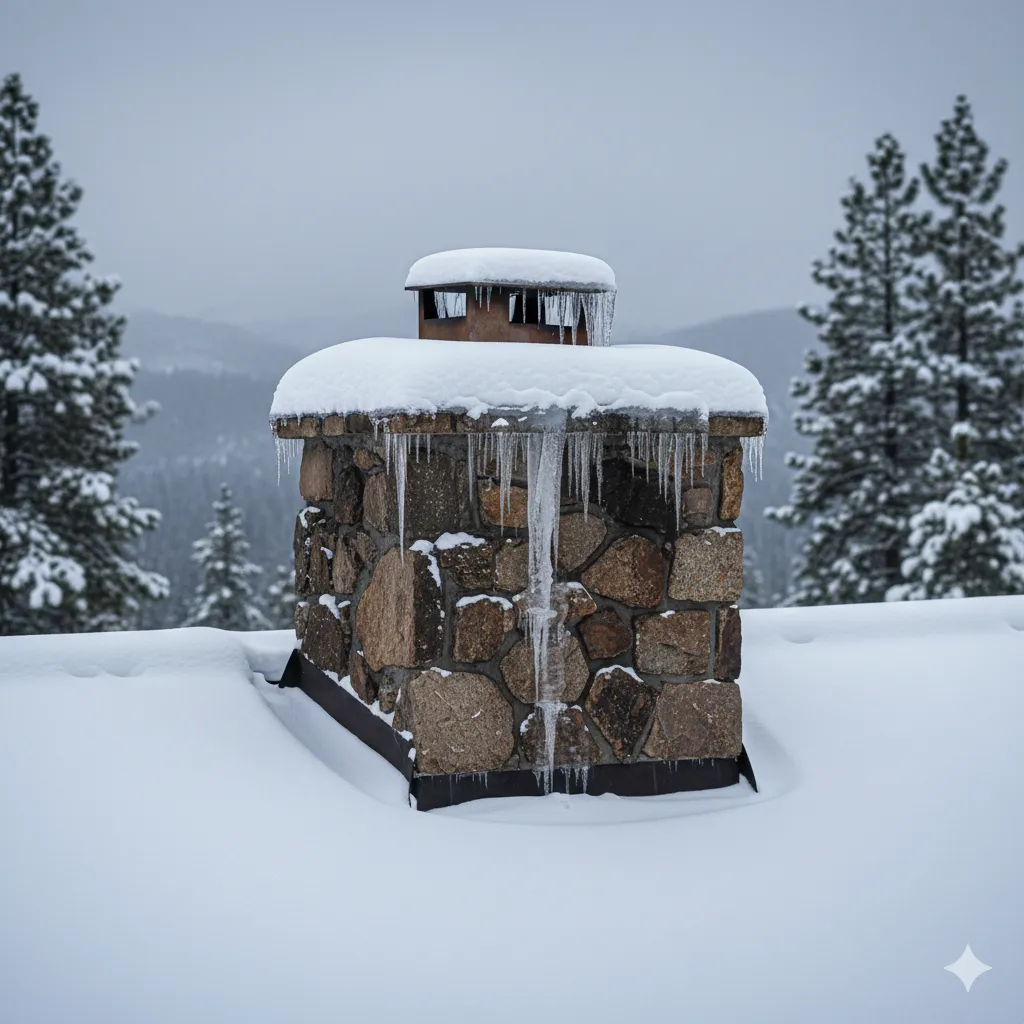
How Snow and Cold Weather Affect Chimneys in Big Bear
Winter in Big Bear brings heavy snowfall, freezing temperatures, and moisture that can quietly damage your chimney if left unchecked. While a chimney may look sturdy from the outside, snow buildup, ice, and trapped moisture can create serious issues over time—especially in mountain climates like Big Bear’s.
Understanding how cold weather affects chimneys can help homeowners prevent costly repairs and keep their fireplaces operating safely all winter long.
Snow Buildup and Chimney Blockages
Snow accumulation on rooftops can partially or fully block chimney openings. When this happens, smoke and dangerous gases like carbon monoxide may not vent properly, creating a serious safety risk inside the home.
Snow buildup can also:
Restrict airflow
Cause poor fireplace draft
Increase smoke backup into living spaces
If snow repeatedly melts and refreezes near the chimney opening, it can worsen blockages and accelerate damage.
Freezing Moisture and Chimney Liners
Moisture is one of the biggest threats to chimney systems during winter. Snow and rain can seep into small cracks in the chimney liner or masonry. When temperatures drop, trapped moisture freezes and expands.
This freeze-thaw cycle can lead to:
Cracked or deteriorated chimney liners
Damaged flue tiles
Reduced chimney efficiency
Increased fire and carbon monoxide risks
Over time, liner damage may go unnoticed until it becomes a major safety issue.
Ice Damage to Chimney Caps and Crowns
Chimney caps and crowns are designed to protect the chimney from moisture, debris, and animals. In snowy climates like Big Bear, ice formation can place stress on these components.
Common winter-related issues include:
Loose or bent chimney caps from ice and wind
Cracked chimney crowns caused by freezing water
Gaps that allow snow, rain, and wildlife to enter
Once these protective elements fail, internal chimney damage becomes much more likely.
Snowmelt and Water Intrusion
As snow melts during the day and refreezes at night, water can seep deeper into the chimney structure. Over time, this leads to:
Interior water stains near fireplaces
Rusted dampers and metal components
Mold or mildew odors
Accelerated masonry deterioration
Water intrusion is especially common in older chimneys or those without proper waterproofing.
Why Regular Chimney Inspections Matter in Winter
Because winter damage often develops slowly, many homeowners don’t realize there’s a problem until it affects fireplace performance or safety.
A professional chimney inspection can:
Identify liner cracks or moisture damage
Check chimney caps and crowns for ice-related wear
Ensure proper airflow and ventilation
Prevent costly emergency repairs during peak winter season
Annual inspections are especially important for Big Bear homes that rely on fireplaces for heat.
Tips to Protect Your Chimney During Big Bear Winters
Homeowners can reduce winter chimney damage by:
Scheduling inspections before or during winter
Installing a properly fitted chimney cap
Addressing small cracks before freezing temperatures worsen them
Avoiding fireplace use if drafting issues occur
Having snow buildup safely cleared when necessary
Preventive care helps extend the life of your chimney and ensures safe operation throughout the season.
The Bottom Line
Snow, ice, and freezing moisture can cause serious damage to chimneys in Big Bear if left unchecked. From cracked liners to damaged caps and water intrusion, winter weather places unique stress on chimney systems.
Regular inspections and timely maintenance are the best ways to protect your home, prevent safety hazards, and keep your fireplace working efficiently all winter long.