
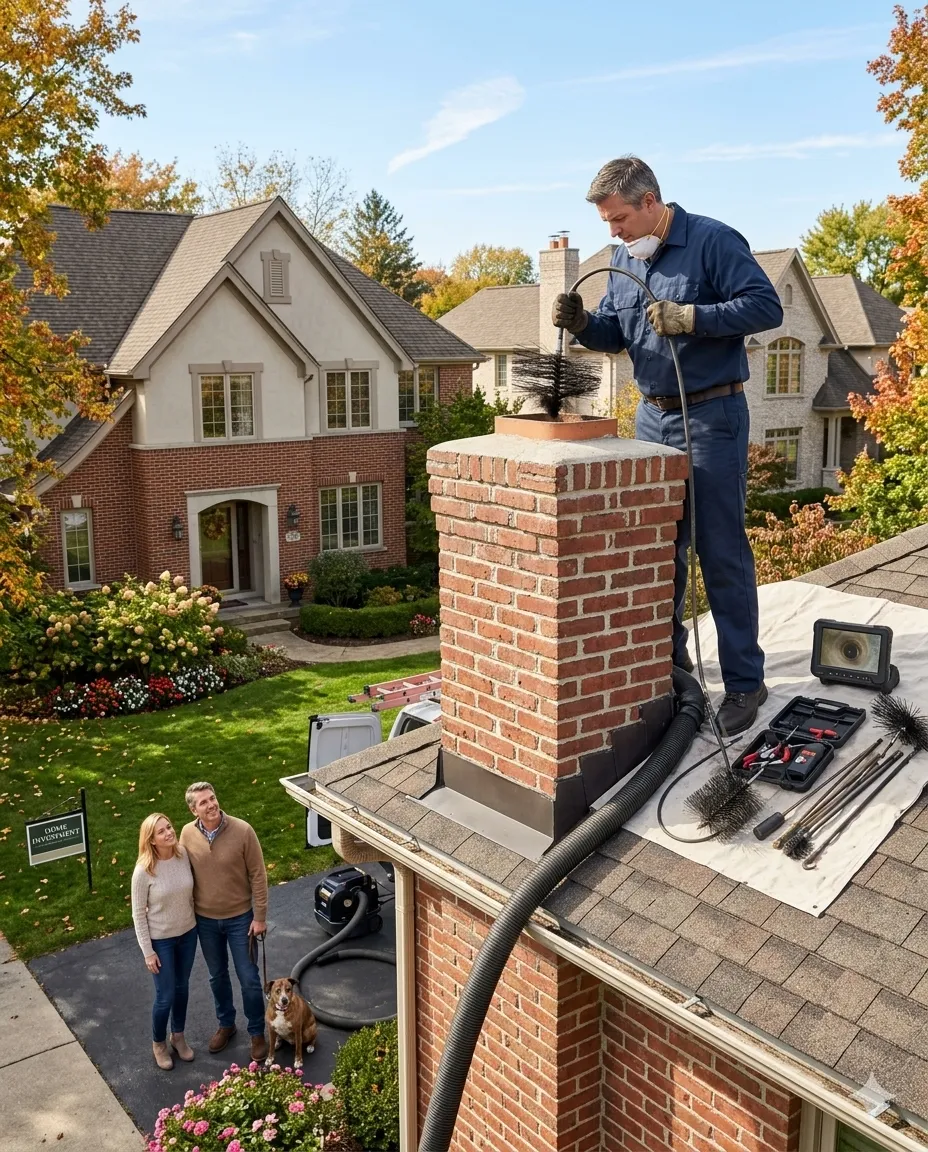
How Regular Chimney Care Impacts Long-Term Property Value
How Regular Chimney Care Impacts Long-Term Property Value
When homeowners think about protecting their property's value, they often focus on roofing, landscaping, HVAC systems, and exterior improvements. However, one critical area that is frequently overlooked is chimney maintenance.
A well-maintained chimney does more than support the safe operation of fireplaces and heating systems—it also plays an important role in preserving the structural integrity, appearance, and overall value of a home. Regular chimney care is an investment that can help homeowners avoid costly repairs while protecting one of their most valuable assets.
Why Chimney Maintenance Matters
Chimneys are constantly exposed to harsh weather conditions, temperature fluctuations, moisture, and combustion byproducts. Without regular inspections and maintenance, small issues can quickly develop into major structural problems.
Routine chimney care helps identify and address concerns before they lead to expensive damage, helping homeowners maintain the condition and value of their property.
Prevents Costly Structural Damage
One of the biggest threats to chimneys is water intrusion.
Over time, moisture can cause:
Cracked masonry
Deteriorating mortar joints
Rusted chimney components
Interior wall damage
Foundation issues
Regular inspections and repairs help prevent moisture from penetrating the chimney system and causing widespread structural problems.
Property Value Benefit
Preventative maintenance is significantly less expensive than major masonry reconstruction or structural repairs, helping preserve the home's market value.
Improves Home Safety
A neglected chimney can create serious safety hazards, including:
Creosote buildup
Chimney fires
Carbon monoxide exposure
Blocked ventilation systems
Damaged flue liners
Routine chimney cleaning and inspections help ensure the system operates safely and efficiently.
Property Value Benefit
Homes with documented maintenance records often provide greater confidence to buyers and inspectors during the sales process.
Enhances Curb Appeal
The chimney is often a highly visible architectural feature of a home. Cracked bricks, stained masonry, damaged caps, or leaning structures can negatively impact the property's appearance.
Regular chimney maintenance helps maintain:
Clean masonry surfaces
Proper brickwork condition
Functional chimney caps
Overall exterior aesthetics
Property Value Benefit
Strong curb appeal contributes to positive first impressions and can increase buyer interest when a property is listed for sale.
Supports Efficient Heating Performance
Fireplaces and chimney systems work best when properly maintained.
Regular care can help:
Improve draft performance
Reduce smoke issues
Increase heating efficiency
Extend equipment lifespan
Support cleaner indoor air quality
Property Value Benefit
Well-maintained home systems are attractive selling points and may reduce concerns during buyer inspections.
Helps Avoid Inspection Issues During Home Sales
Homebuyers often conduct thorough inspections before purchasing a property. Chimneys with visible damage or signs of neglect frequently raise concerns that can delay or complicate a sale.
Potential issues may include:
Cracked flue liners
Water damage
Masonry deterioration
Missing chimney caps
Evidence of poor maintenance
Property Value Benefit
Keeping the chimney in good condition can help reduce repair negotiations and support smoother real estate transactions.
Extends the Life of the Chimney System
Like any major home component, routine maintenance helps maximize lifespan.
Regular services may include:
Annual inspections
Chimney sweeping
Masonry repairs
Waterproofing treatments
Cap and crown maintenance
Property Value Benefit
A longer-lasting chimney system reduces future repair costs and protects the overall condition of the property.
Protects the Home as a Long-Term Investment
Homeownership is one of the largest investments most people will make. Protecting that investment requires attention to every major component of the property—including the chimney.
By addressing minor issues early, homeowners can:
Avoid emergency repairs
Maintain structural integrity
Preserve exterior appearance
Improve safety
Reduce long-term maintenance expenses
A proactive maintenance strategy helps safeguard both the home's condition and its market value.
Best Practices for Chimney Maintenance
To protect your property investment, consider the following recommendations:
Schedule annual chimney inspections
Have chimneys professionally cleaned as needed
Repair cracks and damaged mortar promptly
Install and maintain chimney caps
Address water intrusion issues immediately
Keep records of all maintenance and repairs
Consistent care can help prevent small problems from becoming major financial burdens.
Final Thoughts
Regular chimney maintenance is about more than keeping a fireplace operational—it's an essential part of protecting your home's long-term value. By preventing structural damage, improving safety, enhancing curb appeal, and reducing costly repairs, routine chimney care supports the overall health of your property investment.
Whether you plan to stay in your home for years or eventually sell, maintaining your chimney is a smart and proactive step toward preserving property value and ensuring lasting peace of mind.