
How Rain and Weather Affect Your Chimney
How Rain and Weather Affect Your Chimney
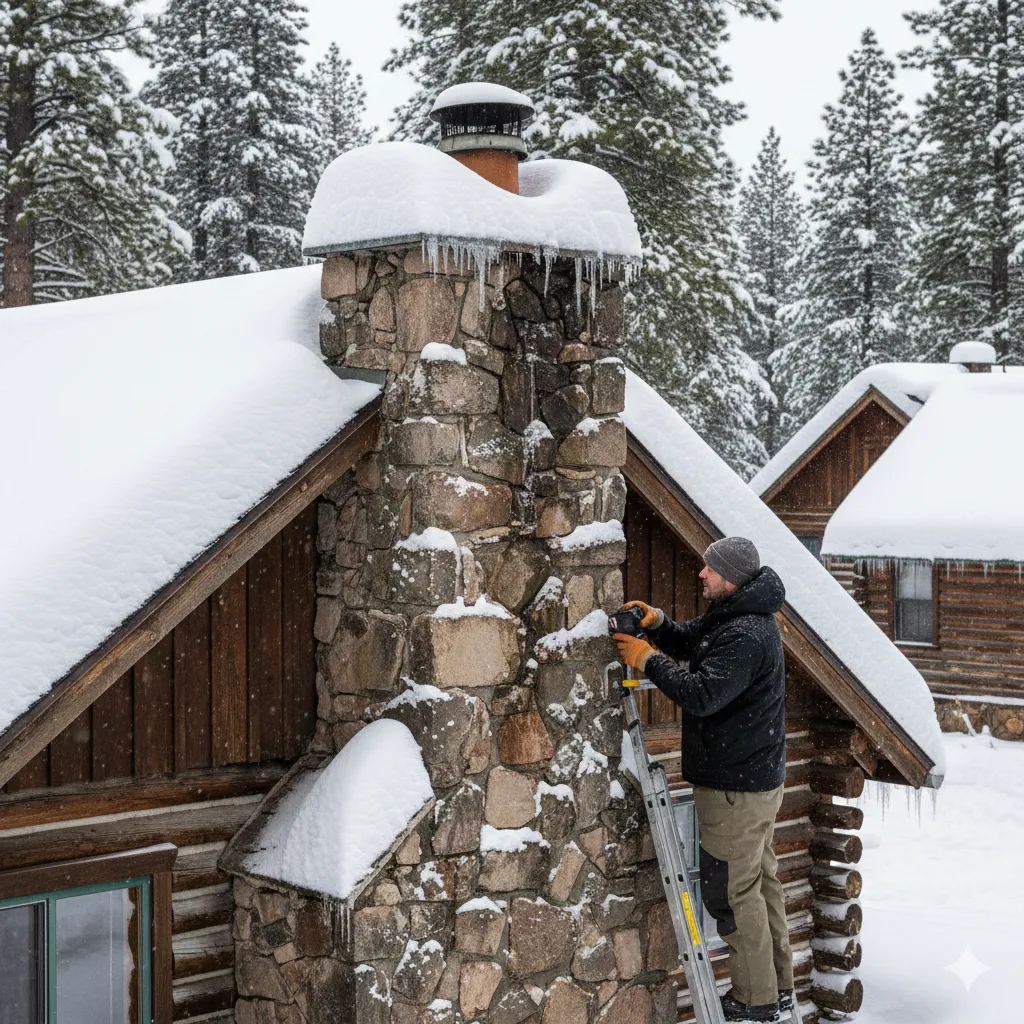
Chimneys face constant exposure to the elements, from rain and snow to wind and freezing temperatures. Over time, this exposure can lead to structural damage, reduced efficiency, and safety hazards. Big Bear homeowners need to understand how weather impacts their chimneys and take steps to protect them.
1. Water Damage
Rain and melting snow can seep into cracks or gaps in masonry, causing water damage. Over time, moisture weakens bricks, mortar, and liners, potentially leading to leaks, corrosion, or chimney deterioration.
2. Freeze-Thaw Cycles
When water enters small cracks and freezes, it expands, worsening the damage over time. Repeated freeze-thaw cycles can cause masonry to crack, flake, or even collapse if left untreated.
3. Rust and Corrosion
Metal components of your chimney, such as caps, flashing, and dampers, can rust when exposed to moisture. Rust weakens these components, reduces efficiency, and may require costly replacement.
4. Reduced Draft and Efficiency
Blocked flues, debris, or water buildup can reduce chimney airflow, making your fireplace less efficient. Poor draft can lead to smoke backup, creosote accumulation, and indoor air quality problems.
5. Wildlife and Debris Issues
Storms and high winds can blow leaves, twigs, or even small animals into chimneys. Accumulated debris or nests not only reduce efficiency but can also create fire hazards.
Tips to Protect Your Chimney from the Elements
Install a chimney cap to keep out water, debris, and animals.
Schedule annual inspections and cleanings, especially before winter.
Repair small cracks or damaged masonry promptly to prevent water intrusion.
Ensure proper flashing and sealant around the chimney base and roofline.
Use professional services for hard-to-reach chimneys or major repairs.
The Bottom Line
Rain, snow, and harsh weather can take a toll on chimneys if left unmaintained. Proactive care—including inspections, repairs, and protective measures—helps Big Bear homeowners avoid structural damage, maintain efficiency, and ensure their chimney remains safe and functional year-round.